
Expert Insights: Navigating Compliance Challenges in Manufacturing


Understanding Compliance in Manufacturing
In the ever-evolving landscape of manufacturing, compliance remains a critical concern. Adhering to industry regulations is not just about avoiding penalties—it’s about ensuring quality, safety, and sustainability. For manufacturing companies, navigating these compliance challenges can be daunting, yet it is essential for long-term success.
Manufacturers face a myriad of regulations, from environmental standards to labor laws. Each regulation requires specific attention and action, making the task of staying compliant both complex and crucial. This post will explore expert insights on how to effectively manage these challenges.
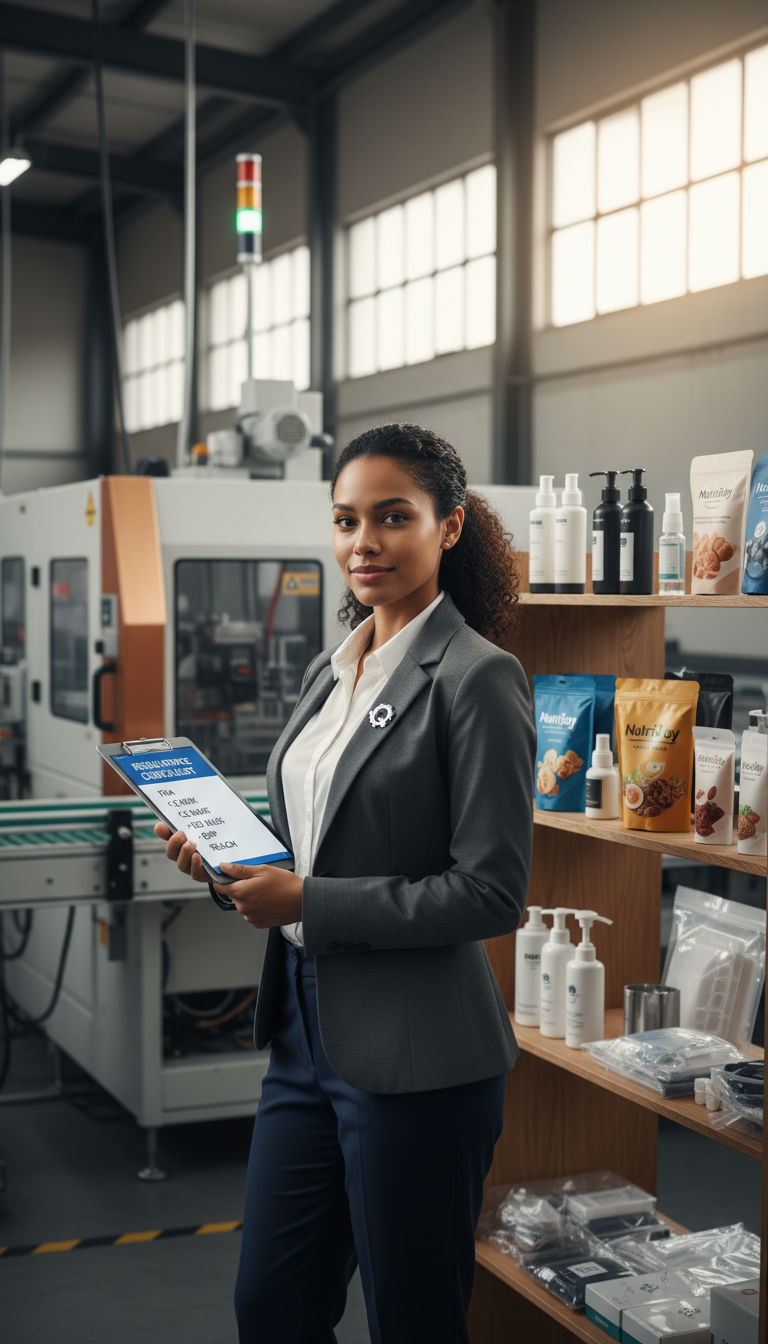
Key Compliance Challenges
One of the primary challenges in manufacturing compliance is keeping up with changing regulations. Laws and standards can vary significantly across different regions and industries, necessitating a proactive approach to compliance management. Companies must stay informed and adaptable to avoid falling behind.
Another challenge is integrating compliance into daily operations. It is not enough to have a compliance department; every employee must understand and adhere to the regulations relevant to their role. This requires continuous training and a culture that emphasizes compliance as a core value.

Strategies for Effective Compliance
Experts recommend several strategies to improve compliance in manufacturing. First, investing in technology can streamline compliance processes. Automated systems can help monitor regulations and ensure that all practices align with the latest standards.
Secondly, conducting regular audits is crucial. These audits help identify areas of non-compliance and provide opportunities for corrective actions. By routinely assessing compliance status, manufacturers can mitigate risks and enhance their operational integrity.

The Role of Leadership
Leadership plays a pivotal role in fostering a compliance-oriented culture. Leaders must communicate the importance of compliance and demonstrate commitment through actions and policies. Their support is vital in allocating resources and prioritizing compliance initiatives.
Moreover, leaders should encourage open communication about compliance challenges. By creating an environment where employees feel comfortable discussing issues, organizations can address potential problems before they escalate.
Future Trends in Compliance
As technology advances, the future of compliance in manufacturing is likely to include increased use of artificial intelligence and machine learning. These technologies can predict compliance risks and suggest preventive measures, making compliance management more efficient.
Additionally, there is a growing emphasis on sustainability. Regulations are increasingly focusing on reducing environmental impact, and manufacturers must adapt to these changes to remain compliant. Embracing sustainable practices is not only a regulatory requirement but also a competitive advantage.

Conclusion
Navigating compliance challenges in manufacturing requires vigilance, adaptability, and a commitment to continuous improvement. By understanding the key challenges, implementing effective strategies, and fostering a culture of compliance, manufacturers can not only meet regulatory requirements but also achieve operational excellence.
In an industry where compliance is non-negotiable, staying informed and proactive is essential. With the right approach, manufacturers can turn compliance from a challenge into an opportunity for innovation and growth.