
How to Streamline Your Supply Chain for Sustainable Growth


Understanding the Importance of Supply Chain Optimization
Streamlining your supply chain is crucial for achieving sustainable growth in today's competitive market. By optimizing processes, businesses can reduce costs, improve efficiency, and deliver better value to customers. A well-optimized supply chain not only enhances operational performance but also supports environmental sustainability.
One of the primary goals of supply chain management is to minimize waste and reduce carbon footprint. By focusing on these areas, companies can align their operations with global sustainability goals and improve their brand reputation.
Leveraging Technology for Efficiency
Integrating Advanced Technologies
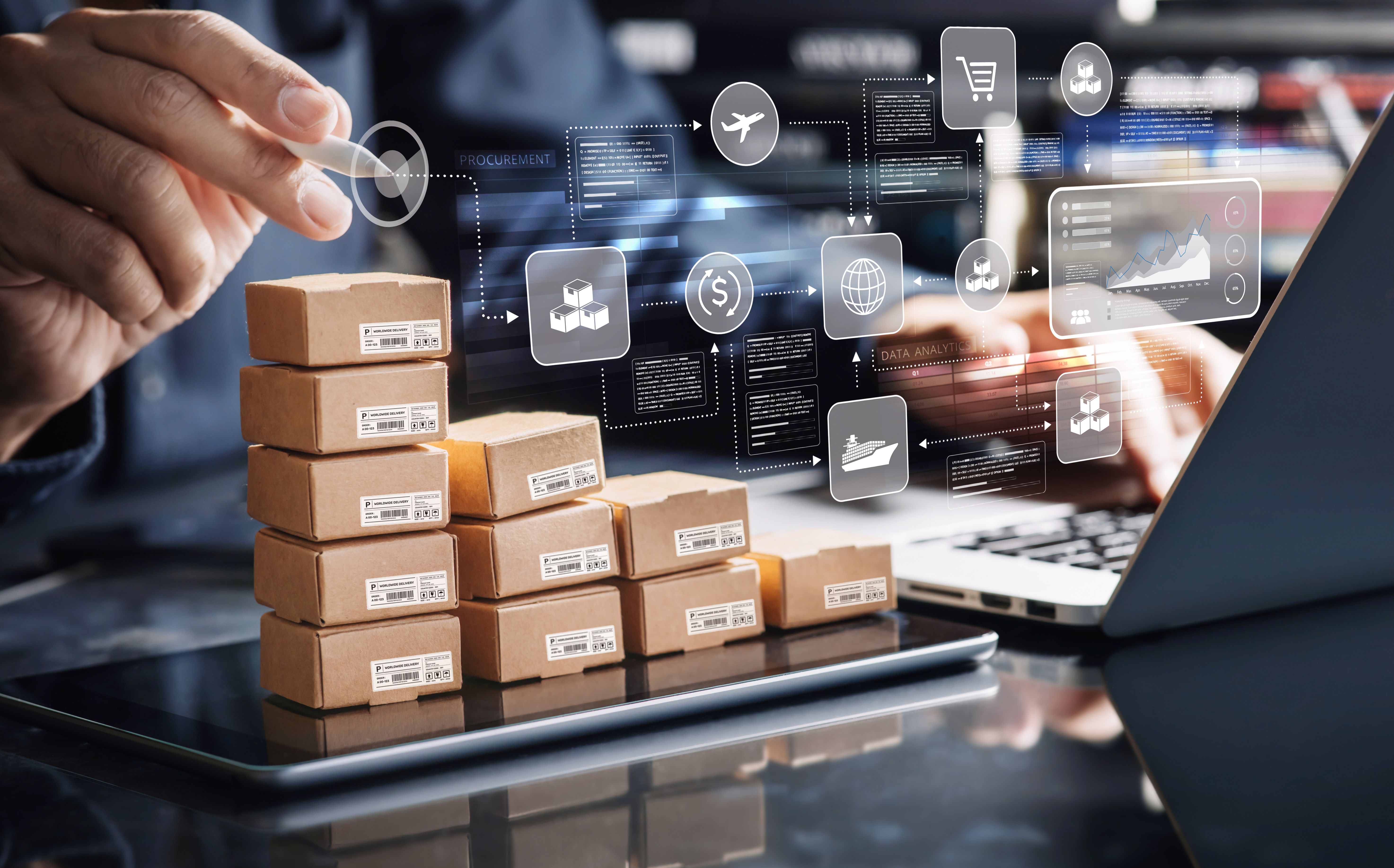
Incorporating advanced technologies like Artificial Intelligence (AI), the Internet of Things (IoT), and blockchain can significantly enhance supply chain operations. These technologies provide real-time data and analytics, enabling businesses to make informed decisions swiftly. By using AI, companies can predict demand more accurately, reducing excess inventory and minimizing waste.
IoT devices offer valuable insights into the condition and location of goods, ensuring that products are stored and transported under optimal conditions. Blockchain technology enhances transparency and traceability, making it easier to monitor the supply chain and ensure compliance with sustainability standards.
Building Strong Supplier Relationships
Collaborating for Mutual Benefit
Building strong relationships with suppliers is key to a streamlined supply chain. By fostering collaboration and open communication, companies can work with suppliers to develop more efficient processes. This partnership can lead to shared sustainability goals, driving both parties towards reduced environmental impact.
Regularly evaluating supplier performance is essential. By setting clear expectations and conducting audits, businesses can ensure that their suppliers meet quality and sustainability standards. This proactive approach helps in mitigating risks and enhancing overall supply chain resilience.

Implementing Lean Practices
Reducing Waste and Improving Flow
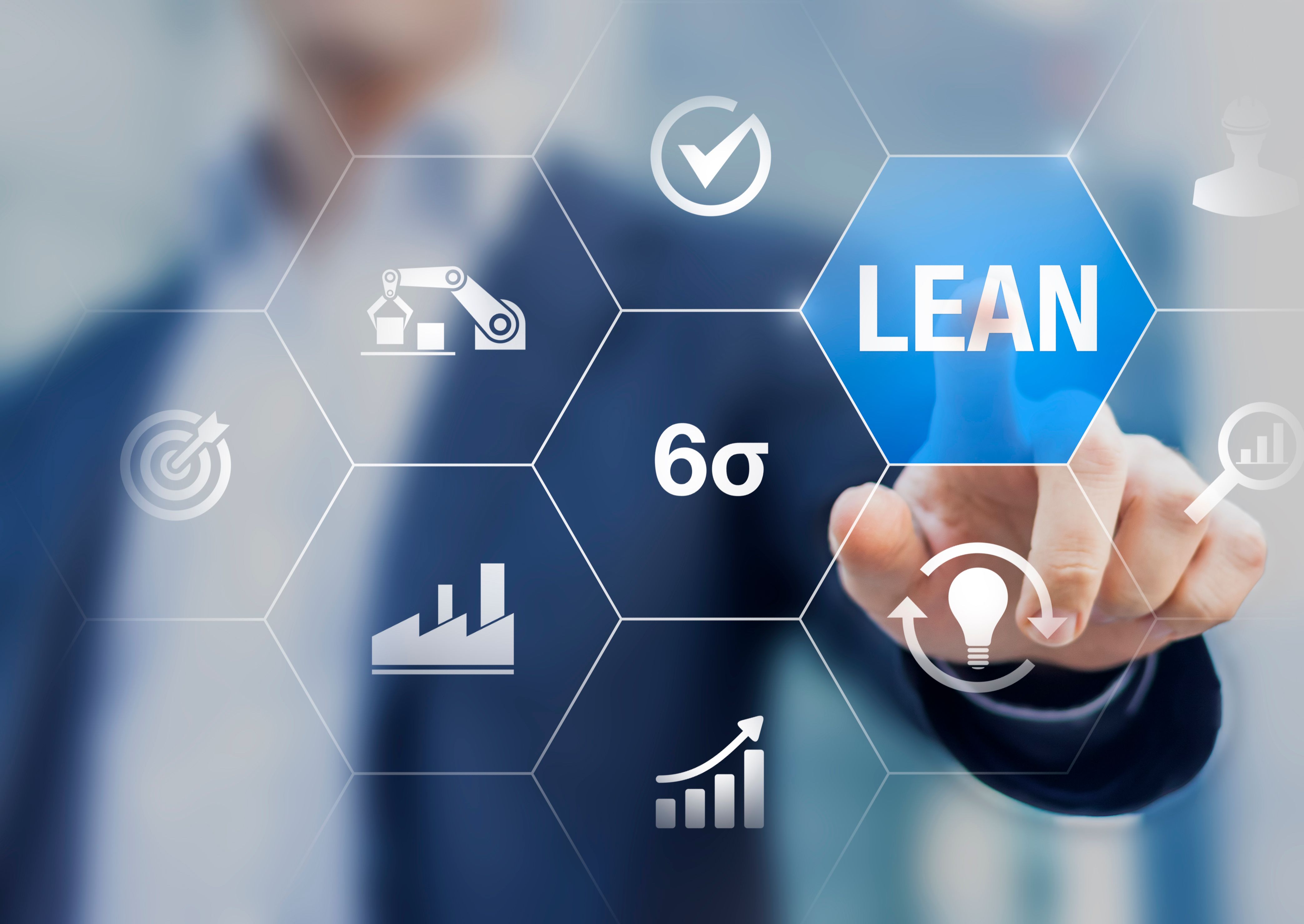
Lean practices focus on eliminating waste and optimizing the flow of materials and information. By adopting techniques such as Just-In-Time (JIT) inventory management, businesses can reduce excess stock and minimize storage costs. This approach not only cuts down on waste but also enhances cash flow and operational efficiency.
Furthermore, continuous improvement is a core aspect of lean methodologies. Encouraging employees to identify inefficiencies and suggest improvements can lead to a more agile and responsive supply chain, capable of adapting to changing market demands.
Conclusion: Achieving Sustainable Growth
Streamlining your supply chain is a strategic move towards sustainable growth. By leveraging technology, building strong supplier relationships, and implementing lean practices, businesses can achieve operational excellence while contributing to environmental sustainability. As the market continues to evolve, staying ahead with a robust and efficient supply chain will be crucial for long-term success.