Implementing Growth-Driven Business Strategies for Sustainable Success


Understanding Growth-Driven Business Strategies
In today's fast-paced market, businesses must continuously adapt and evolve. Implementing growth-driven strategies is crucial for achieving sustainable success. These strategies focus on long-term growth by optimizing resources, enhancing processes, and staying responsive to market changes.
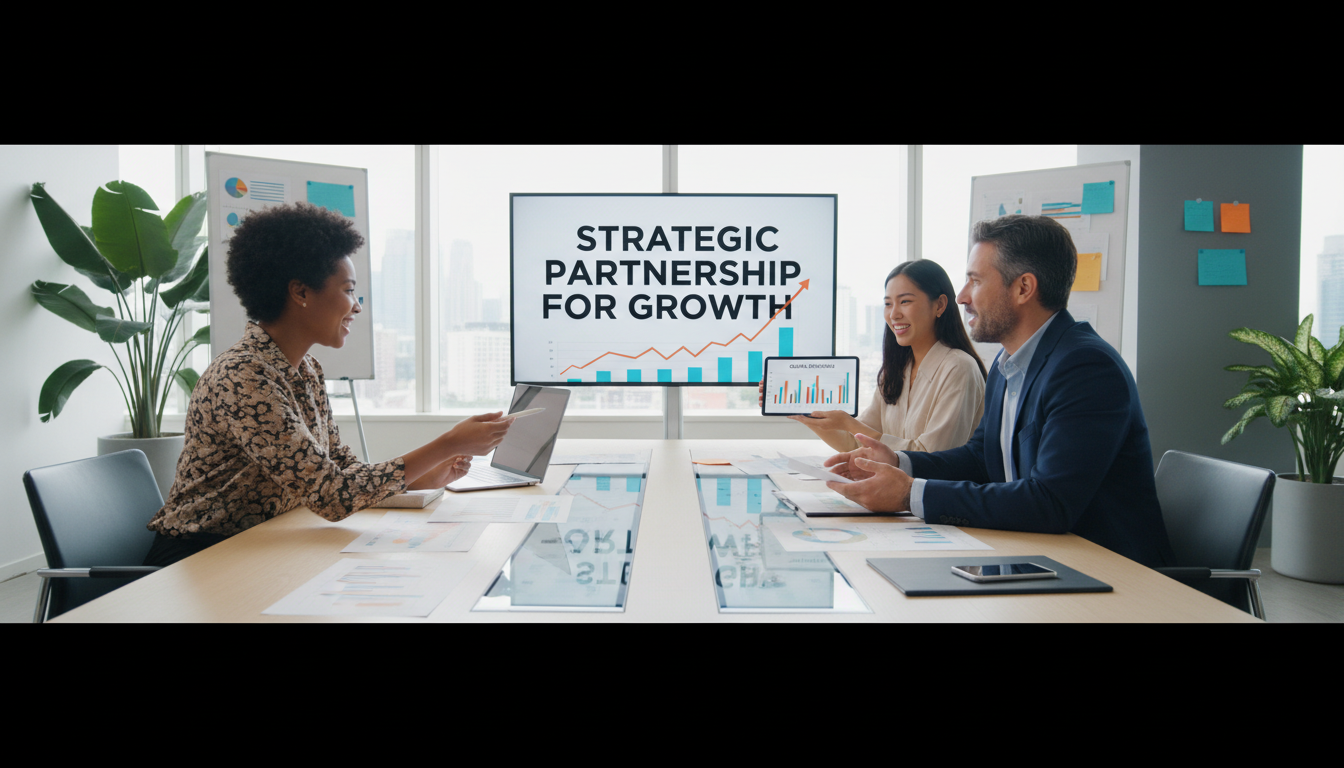
Key Components of Growth-Driven Strategies
Growth-driven strategies encompass several key components that work together to propel a business forward. First, companies must focus on understanding their target audience. By identifying customer needs and preferences, businesses can tailor their offerings to better meet market demands.
Another critical component is innovation. Embracing new technologies and creative solutions allows businesses to stay ahead of the competition. Innovation should be ingrained in the company culture to encourage continuous improvement and adaptation.
Implementing a Customer-Centric Approach
A customer-centric approach is vital for sustainable growth. Businesses should prioritize delivering value to customers through exceptional products and services. This can be achieved by gathering feedback, analyzing customer data, and making informed decisions based on insights.

Building strong relationships with customers fosters loyalty and encourages repeat business. Implementing personalized marketing strategies and maintaining open communication channels contribute to a positive customer experience.
Leveraging Data and Analytics
Data and analytics play an essential role in growth-driven strategies. By leveraging data, businesses can gain insights into market trends, customer behaviors, and operational efficiency. These insights enable informed decision-making and strategic planning.
- Identify key performance indicators (KPIs) relevant to your business goals.
- Utilize tools and software for data collection and analysis.
- Regularly review and adjust strategies based on data insights.
Fostering an Agile Business Environment
An agile business environment is crucial for adapting to changes and seizing new opportunities. Agile methodologies promote flexibility, collaboration, and rapid response to market shifts. This approach encourages teams to work cross-functionally, fostering innovation and efficiency.

Regularly reviewing and refining business processes ensures that the company remains competitive and responsive. Encouraging employee involvement in decision-making can also lead to more effective and innovative solutions.
Investing in Talent and Leadership
Investing in talent and leadership development is essential for executing growth-driven strategies. A skilled and motivated workforce drives innovation and productivity. Providing training, mentorship, and career advancement opportunities attracts and retains top talent.
Strong leadership is equally important. Leaders should inspire and guide their teams towards achieving business objectives. By fostering a culture of trust and empowerment, leaders can motivate employees to take initiative and contribute to the company's success.
Conclusion
Implementing growth-driven business strategies is a continuous process that requires commitment and adaptability. By focusing on customer needs, leveraging data, fostering agility, and investing in talent, businesses can achieve sustainable success. Embracing these strategies will not only enhance performance but also ensure long-term resilience in an ever-evolving market.