
Mitigating Risks in Logistics: A Comprehensive Guide


Understanding Logistics Risks
Logistics is the backbone of any supply chain, ensuring that goods move efficiently from one point to another. However, this complex process is fraught with potential risks. From natural disasters to geopolitical tensions, various factors can disrupt the logistics flow. Understanding these risks is the first step in mitigating them.
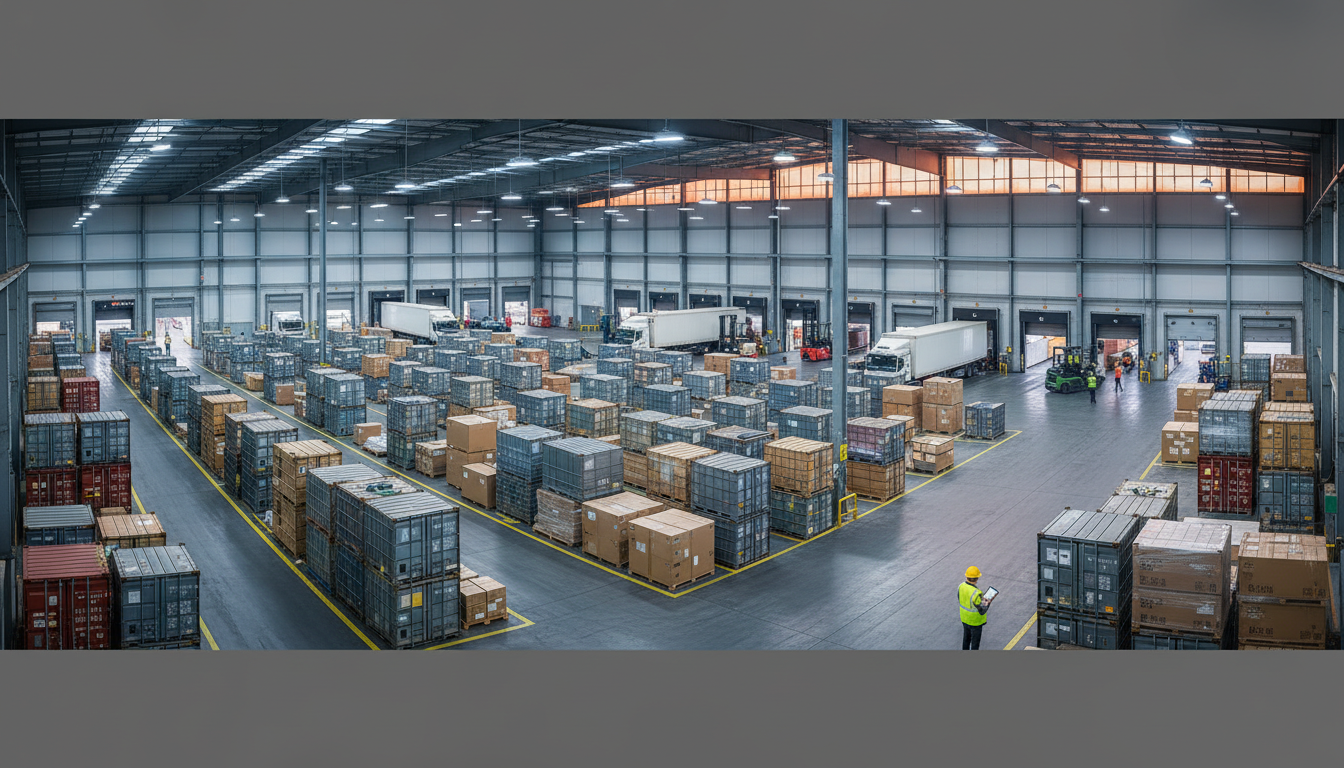
Companies must identify both internal and external risks. Internal risks include operational inefficiencies, technological failures, and workforce challenges. External risks might involve natural disasters, political instability, or unexpected regulatory changes. By categorizing these risks, businesses can develop targeted strategies to address them.
Developing a Risk Management Plan
Once risks are identified, it's crucial to create a robust risk management plan. This plan should outline procedures to minimize the impact of potential disruptions. A comprehensive plan involves regular risk assessments, contingency planning, and continuous monitoring.
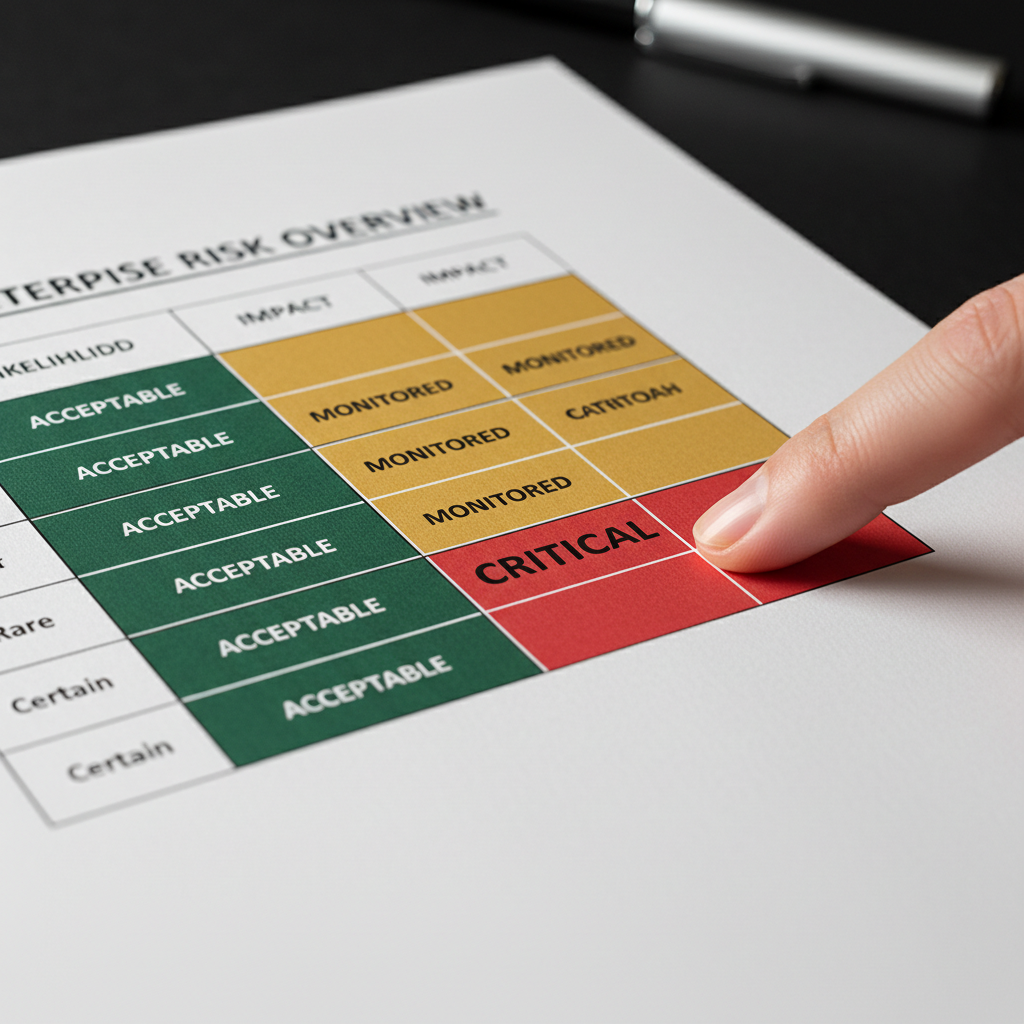
A successful risk management plan includes setting up a dedicated team responsible for risk evaluation and mitigation. This team should regularly update the plan, considering the dynamic nature of logistics. By keeping the plan current, companies ensure they're prepared for any eventuality.
Leveraging Technology
Technology plays a vital role in mitigating logistics risks. Advanced software solutions can provide real-time data and analytics, enabling companies to anticipate and respond to disruptions swiftly. Technologies such as the Internet of Things (IoT) and Artificial Intelligence (AI) can enhance visibility and efficiency across the supply chain.
Implementing technology-driven solutions can help in tracking shipments, predicting delays, and optimizing routes. Moreover, automated systems can reduce human error, ensuring smooth operations. Embracing technological advancements is essential for modern logistics risk management.

Building Strong Partnerships
Strong partnerships with suppliers and logistics providers are crucial in mitigating risks. Collaborating with reliable partners ensures better communication and coordination during disruptions. Trustworthy partners can offer alternative solutions and resources in times of need.
Establishing clear contracts and service level agreements (SLAs) with partners can also define expectations and responsibilities. This proactive approach helps in maintaining a seamless supply chain despite unforeseen challenges.
Training and Awareness
Employees play a crucial role in risk mitigation. Providing regular training and raising awareness about potential risks are key components of a successful risk management strategy. Employees should be equipped with the knowledge and tools to handle unexpected situations effectively.

Training programs can focus on emergency response, safety protocols, and crisis management. By fostering a culture of vigilance and preparedness, companies can ensure that their workforce is ready to tackle any logistics disruptions.
Conclusion
Mitigating risks in logistics requires a comprehensive approach that encompasses understanding potential threats, developing a robust risk management plan, leveraging technology, building strong partnerships, and ensuring employee awareness. By taking proactive steps, companies can safeguard their supply chains and maintain operational efficiency in the face of challenges.