
Mitigating Risks in Supply Chains: Best Practices


Understanding Supply Chain Risks
In today's globalized economy, supply chains are more complex and interconnected than ever before. This complexity brings with it a variety of risks that can disrupt operations. Understanding these risks is the first step in mitigating them. Common risks include natural disasters, political instability, and cyber threats.

Identifying Vulnerabilities
Identifying vulnerabilities within your supply chain is crucial. Conduct a thorough analysis of your entire supply chain, from suppliers to end customers. This analysis should focus on areas such as supplier reliability, transportation logistics, and data security. By understanding where your weaknesses lie, you can better prepare for potential disruptions.
Developing a Risk Management Strategy
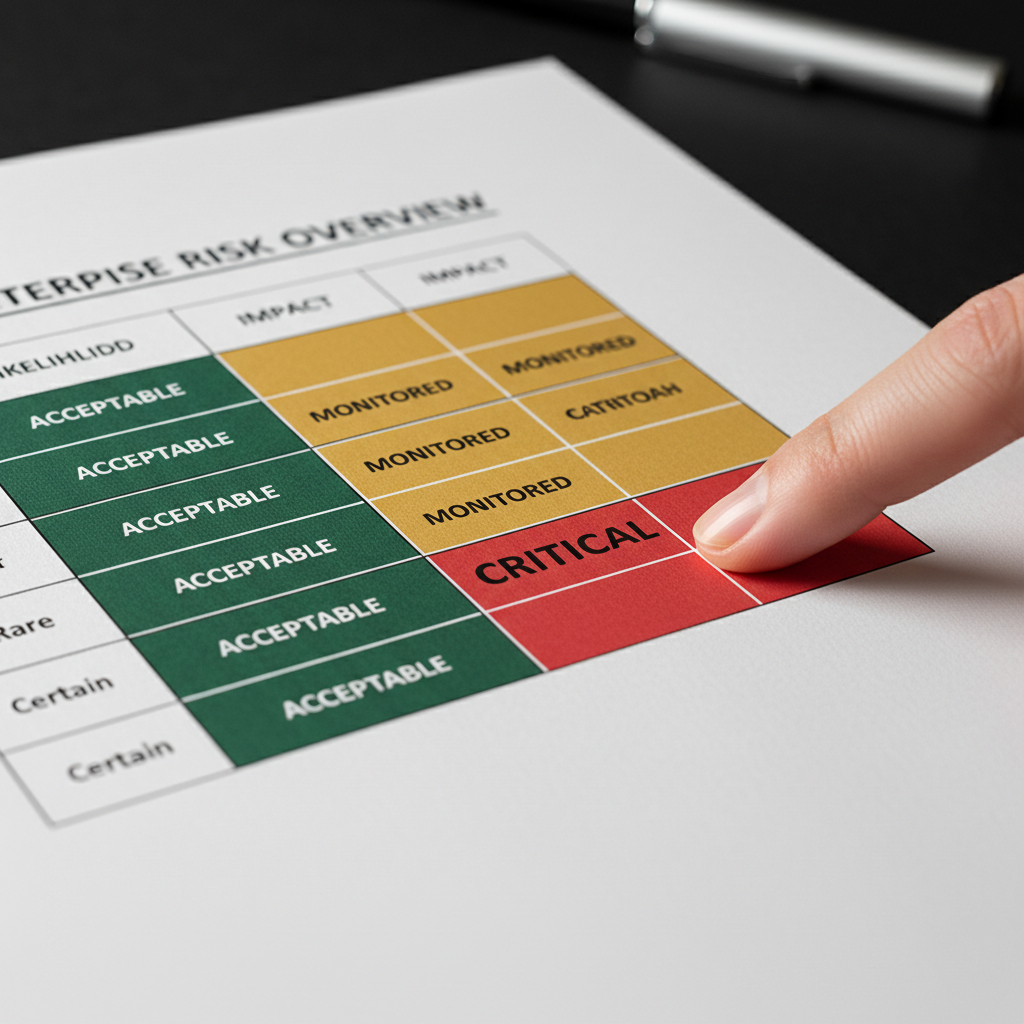
Once vulnerabilities are identified, developing a comprehensive risk management strategy is essential. This strategy should include both preventive measures and contingency plans. Key elements of a risk management strategy include:
- Supplier diversification to avoid reliance on a single source.
- Regular audits and assessments of supplier performance.
- Implementing robust cybersecurity measures.
Building Strong Supplier Relationships
Building strong relationships with your suppliers can significantly mitigate risks. Open communication and collaboration with suppliers can lead to better problem-solving and increased trust. Establishing long-term partnerships can also lead to mutually beneficial outcomes, such as shared risk management practices.
Utilizing Technology for Risk Mitigation
Technology plays a vital role in mitigating supply chain risks. Advanced analytics, artificial intelligence, and blockchain technology can provide real-time insights and enhance transparency throughout the supply chain. These technologies enable businesses to quickly adapt to changes and make informed decisions.

Continuous Monitoring and Improvement
Risk mitigation is not a one-time task but a continuous process. Regularly monitoring your supply chain and reviewing your risk management strategies is essential for staying ahead of potential disruptions. Encourage feedback and suggestions from all stakeholders to foster a culture of continuous improvement.
The Role of Training and Education
Training and education are crucial components of effective risk management. Ensure that all employees involved in the supply chain are well-trained in recognizing and responding to potential risks. Regular workshops and seminars can keep everyone updated on the latest risk management practices.
By implementing these best practices, businesses can effectively mitigate risks in their supply chains, ensuring stability and resilience in an ever-changing global market.