
Navigating Compliance in Texas: What Every Business Needs to Know


Understanding Business Compliance in Texas
Operating a business in Texas comes with a unique set of compliance requirements that can be challenging to navigate. Whether you're starting a new venture or managing an existing one, understanding these obligations is crucial to avoid penalties and ensure smooth operations. In this post, we'll explore the key aspects of business compliance in Texas and provide insights on how to effectively manage them.

Essential Legal Requirements
The first step in maintaining compliance is understanding the legal requirements specific to Texas. This includes registering your business with the Texas Secretary of State, obtaining the necessary licenses and permits, and adhering to state and federal tax obligations. It's important to note that requirements can vary based on your industry and business type, so thorough research is essential.
Registering Your Business
In Texas, businesses must register with the Secretary of State to legally operate. This process involves selecting a business structure, such as an LLC or corporation, and filing the appropriate formation documents. Additionally, businesses must obtain an Employer Identification Number (EIN) from the IRS for tax purposes.
Licensing and Permits
Depending on your industry, you may need specific licenses and permits to operate legally in Texas. These can range from health permits for restaurants to professional licenses for service providers. It's crucial to identify the requirements specific to your business and ensure all necessary documentation is up to date.

Tax Compliance
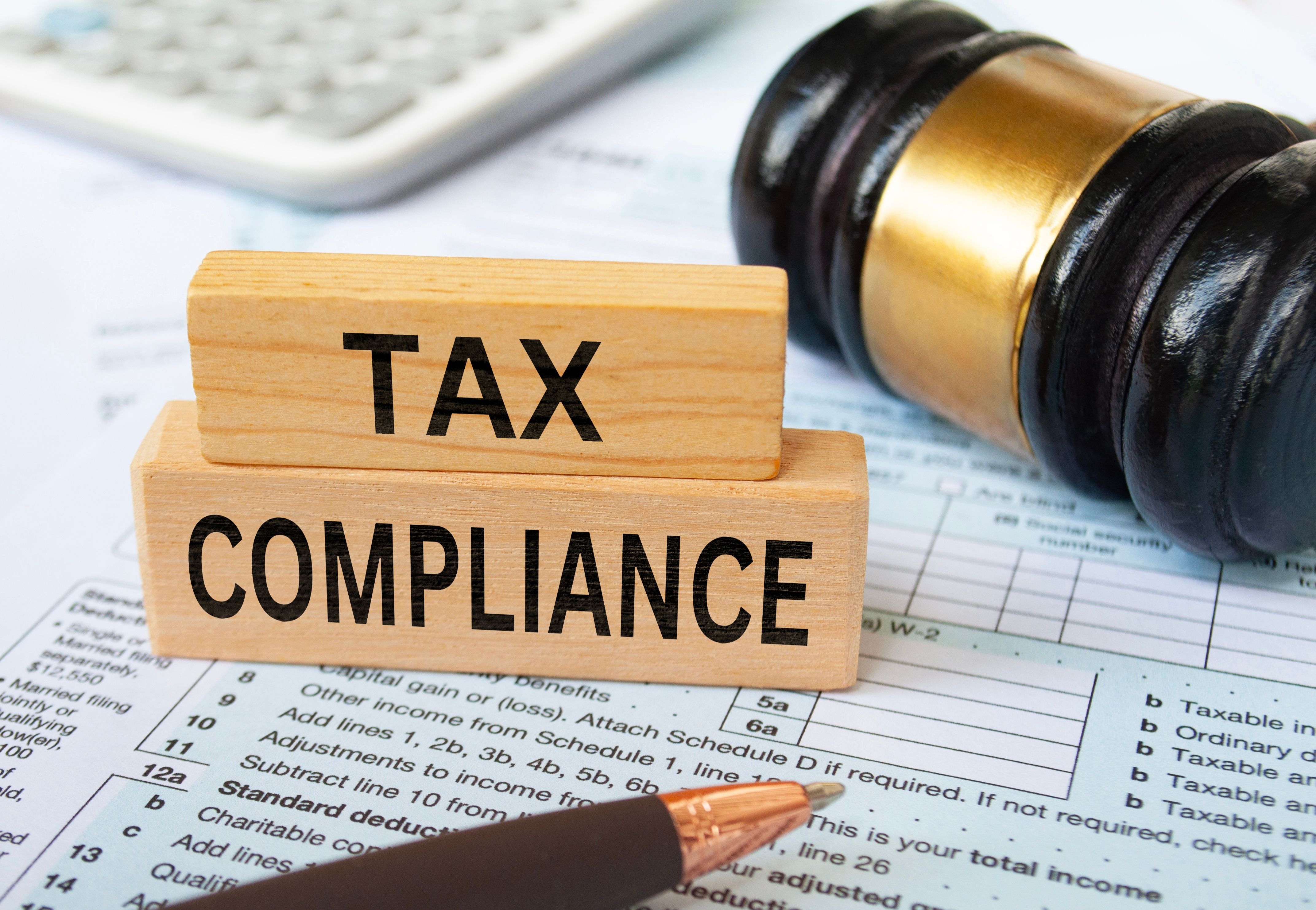
Understanding your tax obligations is another critical component of business compliance in Texas. Businesses must comply with state sales tax regulations, payroll taxes, and annual franchise taxes. Ensuring timely and accurate tax filings can prevent costly fines and audits.
State Sales Tax
If your business sells goods or services in Texas, you're likely required to collect state sales tax. This involves obtaining a sales tax permit and regularly filing sales tax returns. Keeping detailed records of all transactions will help simplify this process and ensure accuracy.
Franchise Tax
Most businesses in Texas are subject to an annual franchise tax, which acts as a privilege tax for operating in the state. Calculating and filing this tax accurately is vital, as failure to comply can result in penalties and interest charges.
Employment Laws and Regulations
Employers in Texas must adhere to a variety of employment laws and regulations. This includes compliance with wage and hour laws, anti-discrimination regulations, and workplace safety standards. Understanding these requirements will help you maintain a fair and compliant workplace.
Wage and Hour Laws
Texas employers must follow both federal and state wage and hour laws, which set standards for minimum wage, overtime pay, and recordkeeping. Ensuring accurate payroll practices and maintaining comprehensive employment records are key components of compliance.
Workplace Safety
Maintaining a safe work environment is not only a legal requirement but also essential for employee well-being. Texas businesses must comply with Occupational Safety and Health Administration (OSHA) regulations, providing necessary training and addressing potential hazards in the workplace.
In conclusion, navigating compliance in Texas requires diligence and an understanding of various legal and regulatory requirements. By staying informed and proactive, businesses can ensure they operate within the law and focus on growth and success.