
Optimizing Your Supply Chain with AI-Driven Solutions: Insights from The JuJu Collective


In today's fast-paced market, optimizing your supply chain is crucial for maintaining a competitive edge. The JuJu Collective offers insights into how artificial intelligence (AI) can revolutionize supply chain management, enhancing efficiency and reducing costs. By leveraging AI-driven solutions, businesses can streamline operations, predict market trends, and minimize disruptions.
Understanding AI in Supply Chain Management
AI technology has the potential to transform supply chain processes by providing data-driven insights and automating repetitive tasks. By integrating AI, companies can analyze vast amounts of data to forecast demand, manage inventory, and optimize logistics. This not only improves decision-making but also enhances overall productivity.

Predictive Analytics for Demand Forecasting
One of the most significant advantages of AI in supply chain management is its ability to predict future demand accurately. By using predictive analytics, businesses can anticipate customer needs and adjust their production schedules accordingly. This reduces the risk of overproduction or stockouts, ensuring that the right products are available at the right time.
AI algorithms analyze historical sales data, market trends, and consumer behavior to provide accurate forecasts. This insight allows companies to optimize inventory levels and improve customer satisfaction.
Enhancing Logistics and Distribution
AI-driven solutions can significantly improve logistics and distribution processes. By optimizing routes and schedules, businesses can reduce transportation costs and improve delivery times. AI systems can evaluate various factors, such as traffic patterns and weather conditions, to determine the most efficient paths for shipping goods.
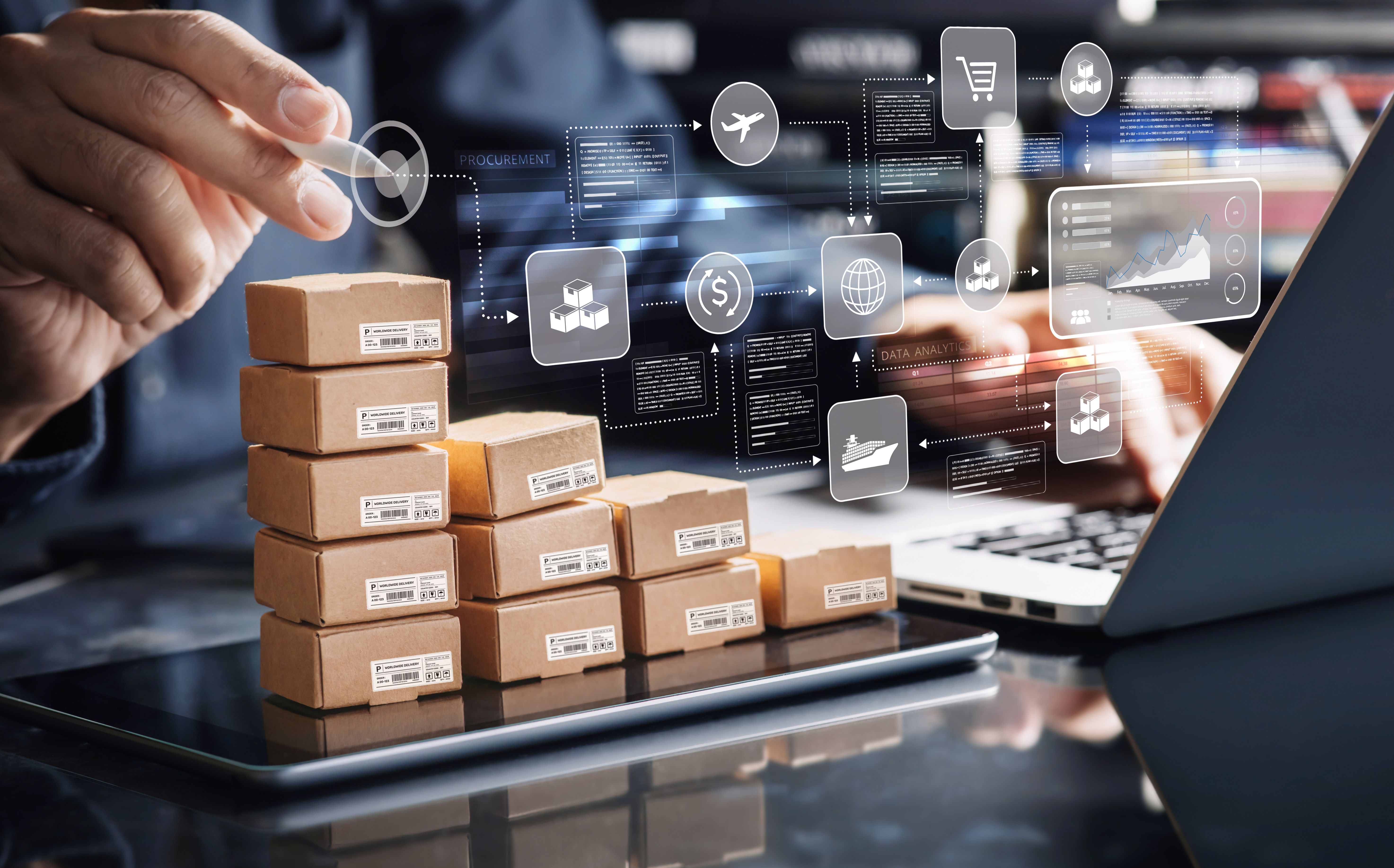
Automating Repetitive Tasks
Automation is another key benefit of AI in the supply chain. By automating repetitive tasks, businesses can reduce human error and free up employees to focus on more strategic activities. AI-powered robots and software can handle processes like order processing, inventory management, and quality control with greater precision and speed.
This not only reduces operational costs but also enhances the accuracy and reliability of supply chain operations.
Improving Supplier Relationships
AI solutions can also improve supplier relationships by providing real-time insights and analytics. By monitoring supplier performance and market conditions, businesses can make informed decisions about their supplier base. AI tools can identify potential risks and opportunities, ensuring that companies maintain strong, reliable partnerships.

Implementing AI-Driven Solutions
Implementing AI-driven solutions requires careful planning and strategy. Businesses must first identify their specific needs and goals, then choose the right AI tools and technologies to meet those objectives. Partnering with experts, like The JuJu Collective, can provide valuable guidance and support throughout this process.
By investing in AI-driven supply chain solutions, companies can achieve greater efficiency, reduce costs, and gain a competitive advantage in the market.
Conclusion
The integration of AI in supply chain management is no longer just an option—it's a necessity for businesses aiming to thrive in today's dynamic environment. From predictive analytics to automation and improved supplier relationships, AI offers a multitude of benefits that can transform supply chain operations.
Embrace the future of supply chain management with AI-driven solutions and unlock new possibilities for growth and innovation.