
Seasonal Strategies: Preparing Your Texas Business for Supply Chain Challenges


Understanding Seasonal Supply Chain Challenges
As the seasons change, businesses in Texas often face unique supply chain challenges. From weather disruptions to fluctuating demand, these factors can significantly impact operations. Preparing for these challenges is crucial to maintaining a smooth supply chain and ensuring customer satisfaction.
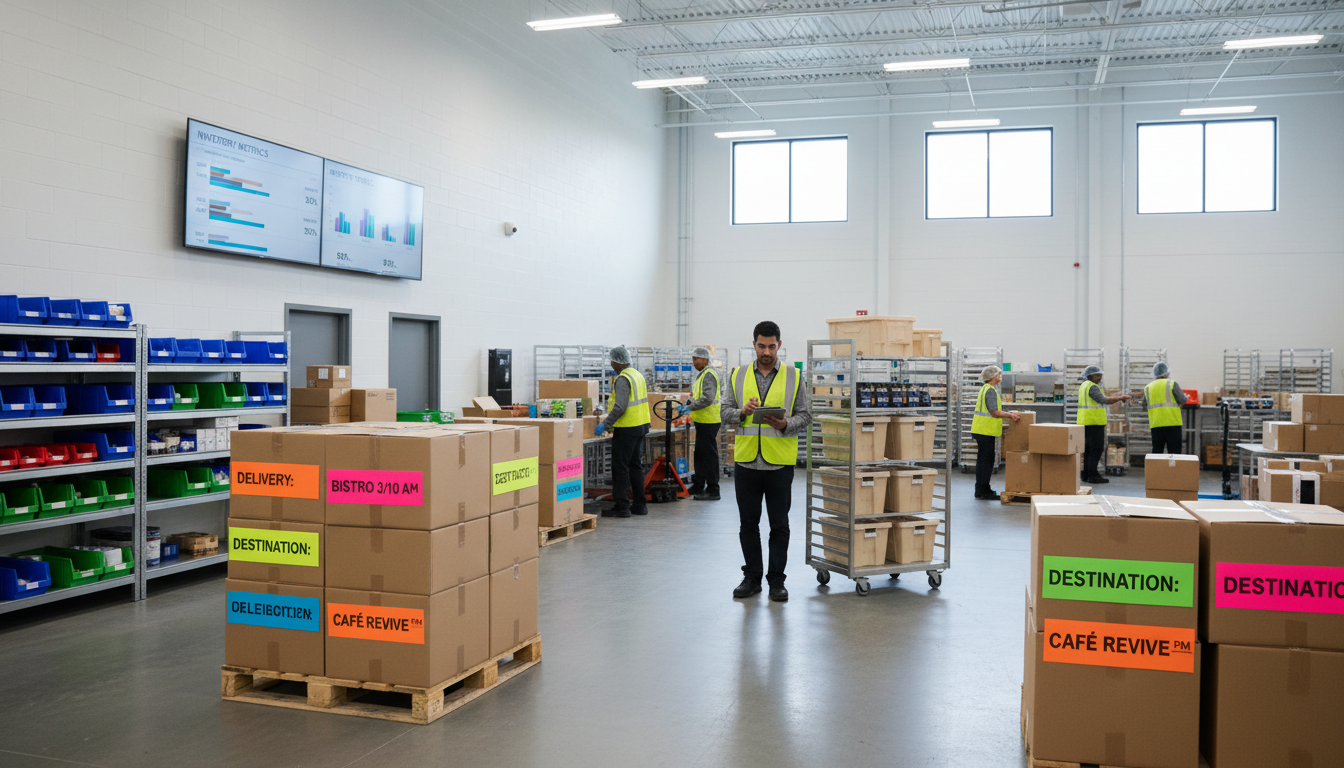
Seasonal changes can lead to delays in the shipment of goods, affecting inventory levels and delivery schedules. Businesses that plan ahead can mitigate these risks and adapt more effectively to unexpected changes.
Analyze Historical Data
One of the first steps in preparing for seasonal supply chain challenges is to analyze historical data. By understanding past trends, businesses can anticipate potential disruptions and adjust their strategies accordingly. Consider factors such as weather patterns, previous supply chain bottlenecks, and consumer behavior during similar periods.
Using this data, businesses can develop a more accurate forecast and prepare for potential fluctuations in demand. This proactive approach helps in optimizing inventory levels and ensuring timely deliveries.

Enhance Supplier Relationships
Strong relationships with suppliers are vital for navigating seasonal challenges. Communicate openly with your suppliers about potential issues and collaborate on solutions. Building a reliable network of suppliers can offer flexibility and alternative options when primary sources are unavailable.
Consider diversifying your supplier base to reduce dependency on a single source. This strategy can provide a safety net during unforeseen disruptions and help maintain a steady flow of goods.
Invest in Technology
Technology plays a crucial role in managing supply chain challenges. Implementing advanced inventory management systems and real-time tracking can enhance visibility and control over the supply chain. These tools help in identifying issues quickly and making informed decisions.

Automation and AI-driven solutions can further streamline operations, reduce manual errors, and improve efficiency. Investing in these technologies ensures that your business remains agile and responsive to seasonal changes.
Develop a Contingency Plan
Having a contingency plan in place is essential for minimizing disruptions. This plan should include strategies for handling unexpected delays, alternative transportation routes, and emergency contacts. Regularly review and update the plan to ensure its effectiveness.
Training your team to respond swiftly to supply chain challenges can also make a significant difference. Conduct regular drills and simulations to prepare your staff for real-world scenarios.
Conclusion
Preparing for seasonal supply chain challenges is an ongoing process that requires careful planning and adaptation. By analyzing data, strengthening supplier relationships, investing in technology, and developing contingency plans, Texas businesses can navigate these challenges with confidence. Taking these proactive steps will help ensure that your business remains resilient and competitive throughout the year.