
The Future of Manufacturing: Trends and Innovations in Operations


Introduction to the Future of Manufacturing
The manufacturing industry is undergoing a significant transformation driven by technological advancements and changing market demands. As we look to the future, understanding the key trends and innovations in manufacturing operations is crucial for businesses aiming to stay competitive and relevant.
Smart Factories and Industry 4.0
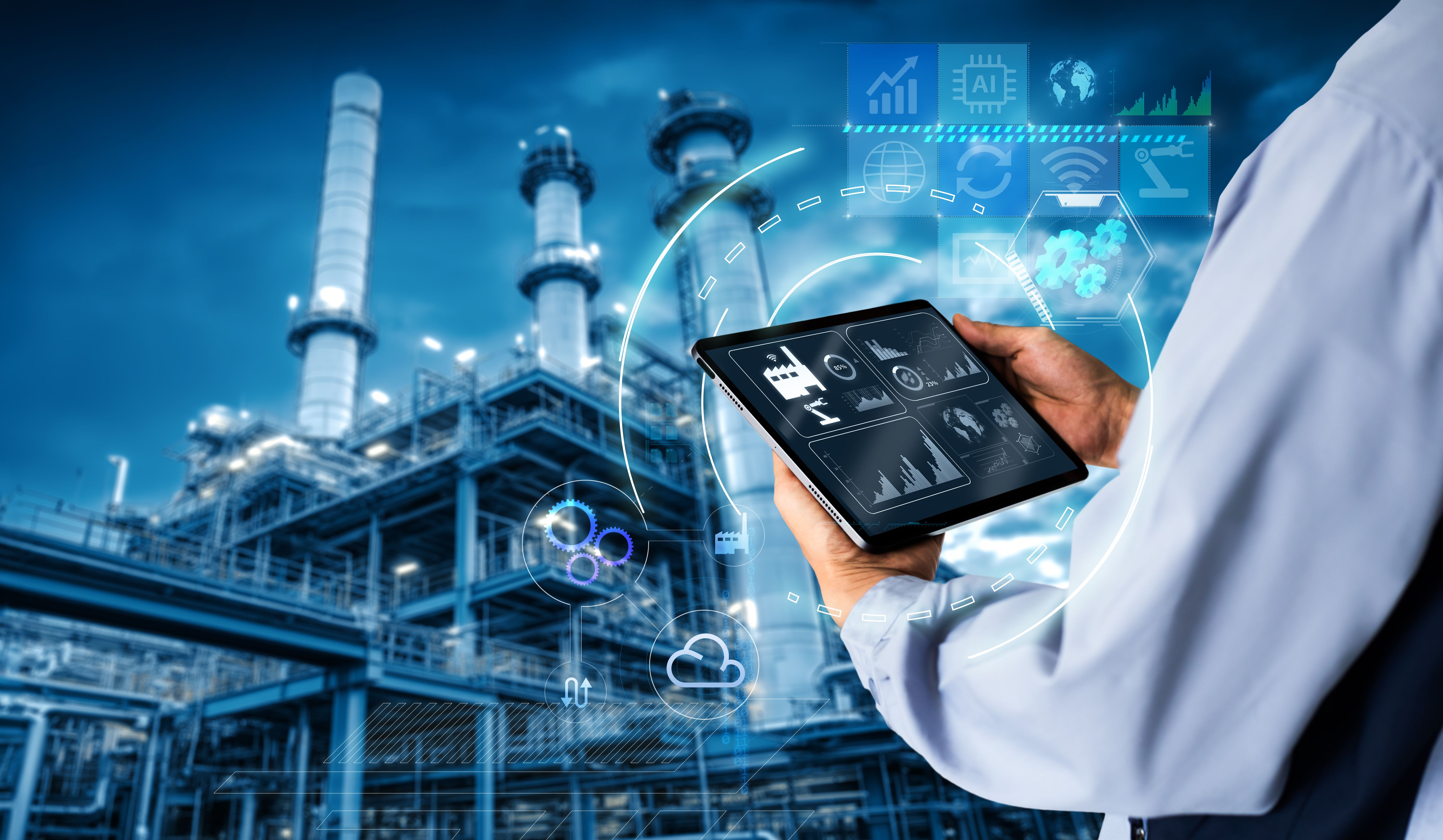
One of the most pivotal advancements in manufacturing is the rise of smart factories, a concept central to Industry 4.0. These facilities utilize interconnected machines, IoT devices, and real-time data analytics to optimize production processes. By integrating these technologies, manufacturers can achieve greater efficiency, reduce waste, and improve product quality.
Industry 4.0 also emphasizes the importance of digital twins—virtual models of physical assets that allow for simulation and analysis. This technology enables manufacturers to predict potential issues and optimize operations before implementing changes on the factory floor.
Sustainability in Manufacturing
As environmental concerns become more pressing, sustainability is becoming a key focus in manufacturing. Companies are adopting eco-friendly practices, such as using renewable energy sources and minimizing waste. Implementing circular economy principles, which involve recycling and reusing materials, is gaining traction.
Many manufacturers are also investing in energy-efficient technologies and sustainable materials to reduce their carbon footprint. This shift not only benefits the planet but also appeals to environmentally conscious consumers.

Advanced Robotics and Automation
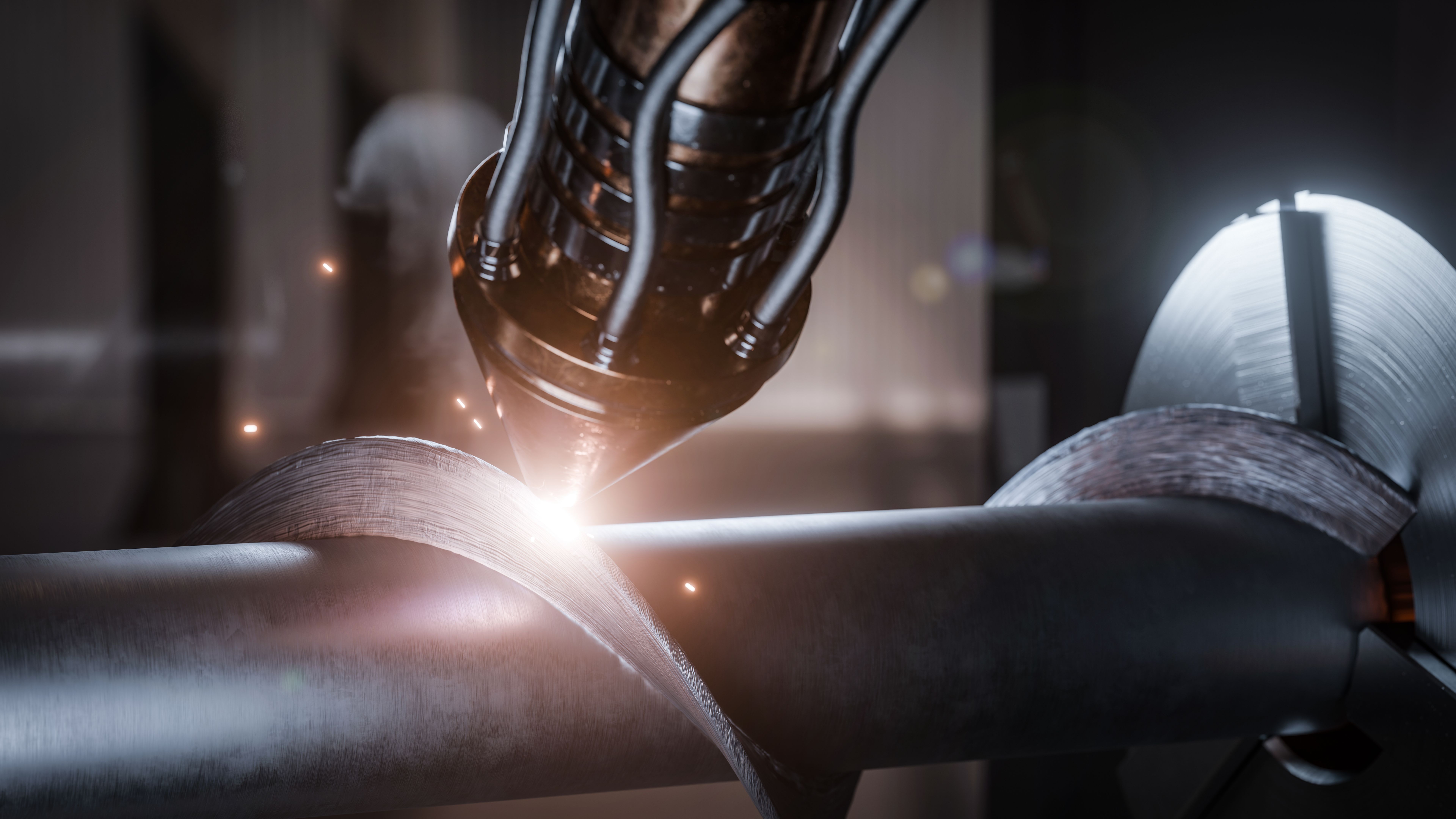
The integration of advanced robotics and automation is revolutionizing manufacturing operations. Robots are increasingly being used for tasks that require precision and repetition, allowing human workers to focus on more complex activities. This collaboration between humans and machines enhances productivity and reduces errors.
Automation is also being leveraged to streamline supply chain processes, ensuring timely delivery of materials and products. By automating routine tasks, manufacturers can respond more quickly to market changes and customer demands.
Customization and Personalization
Consumers today expect products tailored to their specific needs and preferences. In response, manufacturers are embracing mass customization, which allows for personalized products at scale. This trend is made possible by advancements in additive manufacturing, such as 3D printing, which enables rapid prototyping and production.
By offering customized solutions, companies can differentiate themselves in a competitive market and build stronger customer relationships.
Conclusion
The future of manufacturing is marked by exciting trends and innovations that promise to reshape the industry. Embracing these changes will be essential for companies looking to thrive in a rapidly evolving landscape. By investing in smart technologies, sustainable practices, and personalization, manufacturers can ensure they remain at the forefront of this transformative era.