
Top Trends in Supply Chain Optimization: What Texas Businesses Need to Know


Understanding Supply Chain Optimization
Supply chain optimization is a critical focus for businesses in Texas aiming to enhance efficiency and reduce costs. With rapid advancements in technology, companies are finding new ways to streamline their operations, ensuring they remain competitive in a fast-paced market. Understanding the latest trends is essential for staying ahead.
Implementing effective supply chain strategies can help businesses handle disruptions, manage resources better, and improve customer satisfaction. Let's delve into some of the top trends shaping the supply chain landscape today.

Embracing Technology and Innovation
Automation and Robotics
Automation is revolutionizing the supply chain sector. From warehousing to transportation, robotics are being deployed to perform repetitive tasks more quickly and accurately than humans. This technology not only boosts productivity but also reduces the risk of human error.
Artificial Intelligence and Machine Learning
AI and machine learning are transforming data analysis within supply chains. These technologies help predict demand, optimize inventory levels, and enhance decision-making processes. By utilizing AI, businesses can gain valuable insights into their operations, leading to improved efficiency.

Sustainability and Environmental Responsibility
As environmental concerns grow, businesses in Texas are focusing on sustainable supply chain practices. Implementing eco-friendly strategies is not just about compliance but also about building a positive brand image. Companies are investing in renewable energy sources, reducing waste, and choosing sustainable materials.
Moreover, reducing carbon footprints through optimized transportation routes and efficient logistics is becoming a priority. These practices not only benefit the environment but also result in cost savings.
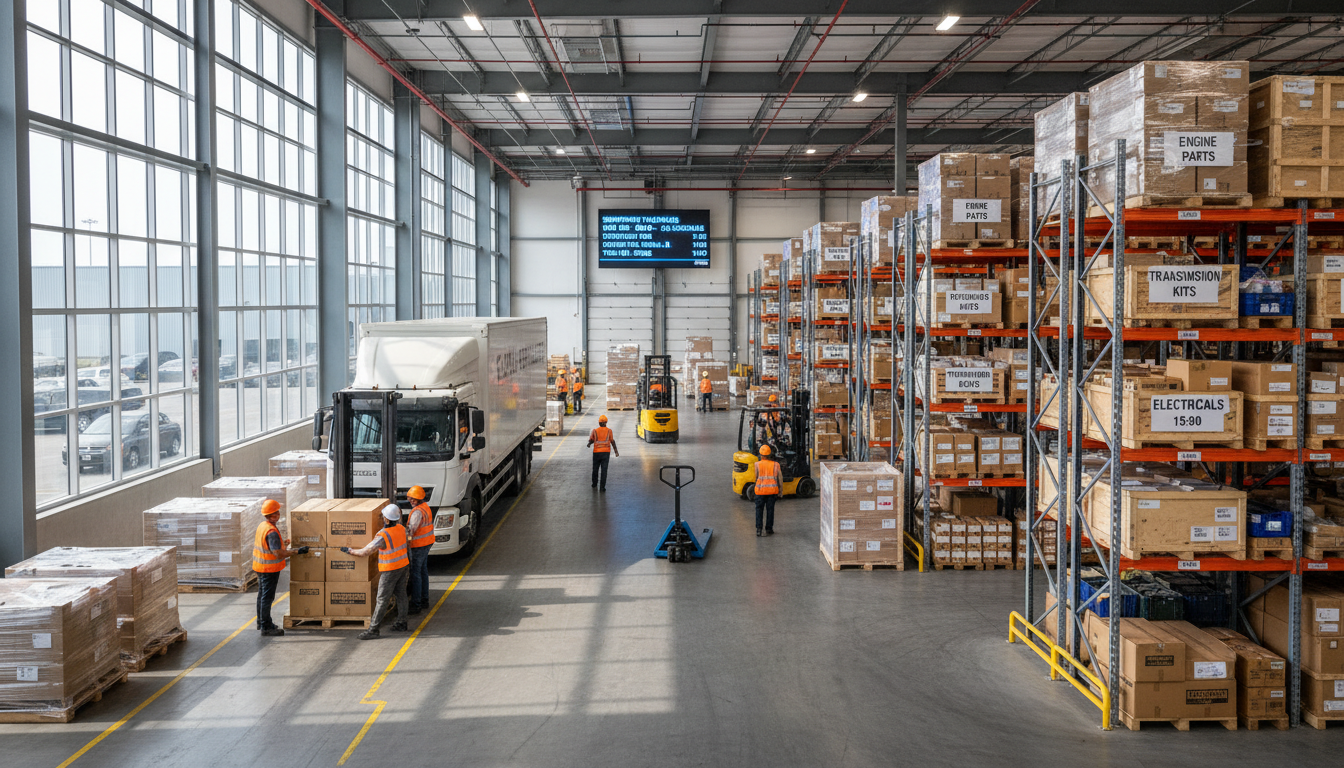
Resilience and Risk Management
Building Resilient Supply Chains
The COVID-19 pandemic highlighted the importance of having resilient supply chains. Businesses are now prioritizing risk management strategies to handle unforeseen disruptions. This includes diversifying suppliers, increasing stock levels, and investing in technology that provides real-time data visibility.
Collaborative Partnerships
Forming strong partnerships with suppliers and other stakeholders is crucial for resilience. These collaborations can lead to shared resources, improved communication, and better handling of supply chain challenges.
Conclusion
For Texas businesses, staying informed about the latest supply chain optimization trends is vital. By embracing technology, focusing on sustainability, and building resilient networks, companies can navigate the complexities of modern supply chains effectively. Adopting these strategies will not only enhance operational efficiency but also drive long-term success.